How Technology is integrated into The Teaching Curriculum?
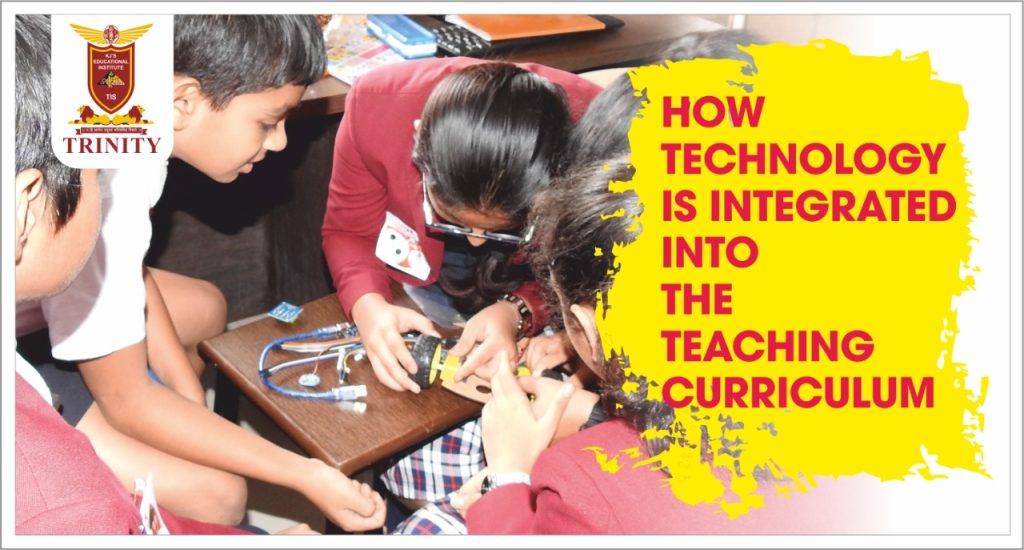
Technology has revolutionized education, making learning more interactive, accessible, and efficient. In today's digital era, integrating technology into the teaching curriculum is essential for preparing students for a technology-driven world. Schools and educational institutions worldwide are leveraging digital tools to enhance traditional learning methods, creating a dynamic and engaging environment for students.
The Role of Technology in Education
AtTrinity International School, one of the best CBSE schools in Pune, we prioritize technological integration to enrich the learning experience. Here are some key ways technology is incorporated into modern teaching curricula:
1. Digital Classrooms and E-Learning Platforms
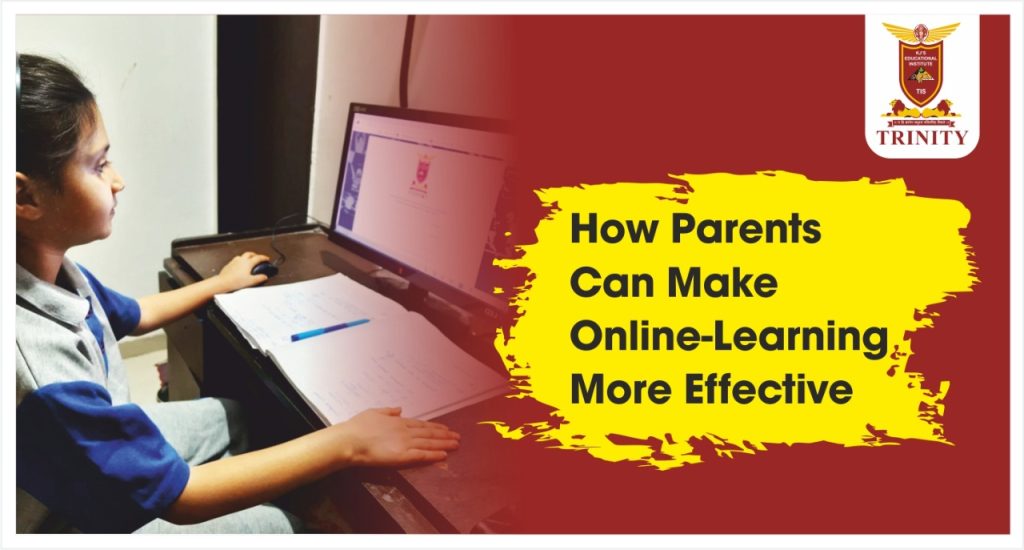
The shift from traditional classrooms to digital classrooms has transformed the learning experience. Interactive whiteboards, online learning management systems, and virtual classrooms allow students to access resources from anywhere. Schools utilize platforms like Google Classroom, Microsoft Teams, and Moodle to provide study materials, assignments, and real-time collaboration opportunities.
2. Personalized Learning with AI and Adaptive Learning Tools
Artificial Intelligence (AI) is enabling personalized education by adapting content to each student’s learning pace and style. Adaptive learning platforms analyze students’ progress and suggest tailored lessons, helping them grasp complex topics more effectively. This ensures that no student is left behind and that learning is optimized for individual needs.
3. Use of Multimedia and Gamification
Incorporating multimedia such as videos, animations, and interactive simulations makes learning more engaging. Gamification—using game elements like quizzes, badges, and leaderboards—enhances student participation and motivation. These methods make subjects like math, science, and language more interactive and enjoyable.
4. Online Assessments and Real-Time Feedback
Technology has made assessments more efficient and unbiased. Online quizzes, automated grading, and real-time feedback help teachers track student performance accurately. These tools not only save time but also provide valuable insights into students' strengths and areas for improvement.
5. Enhancing Collaboration with Cloud-Based Tools
Cloud technology allows students and teachers to collaborate seamlessly, regardless of their location. Tools like Google Drive, OneDrive, and collaborative document editing enable real-time sharing and teamwork on projects. This fosters a collaborative learning culture and prepares students for future workplace environments.
6. Virtual and Augmented Reality in Education
Virtual Reality (VR) and Augmented Reality (AR) bring learning to life by providing immersive experiences. Students can explore historical sites, conduct virtual science experiments, or engage in interactive 3D models of complex concepts. These technologies make learning more engaging and memorable.
Final Thoughts
The integration of technology into the teaching curriculum is not just an enhancement—it is a necessity. By leveraging digital tools, schools can create a more engaging, personalized, and effective learning environment. At Trinity International School (CBSE Schools in Kondhwa, Pune), we are committed to staying at the forefront of educational innovation, ensuring that students are equipped with the skills they need for a successful future.
Thank you for reading!